Meta Wearables
Vanguard · Gen 1 · Gen 2 · 3K Ultra HD · bi-directional audio
Three launch surfaces
SecondSee works like a spatial studio: begin with the edge, shape the system around the launch, then deliver it through the right hardware and interface.
Commercial systems
Developer platforms
Consumer experiences
The system
Bring your own compute hub. SecondSee connects capture, perception, orchestration, and output without forcing the whole experience into one device.
Capture
H.264 · PCM · sensorsPerceive
Vision · Core ML · OC-SORTOrchestrate
FRLY · FRAU · FRSEDeliver
Web · device · displayINSIDE THE STUDIO
A live camera signal moving through detection, tracking, OCR, and an operator-facing viewer.
Stream from supported wearable publishers or a desktop camera through the shared relay and into the web viewer.
YOLO detection, OC-SORT tracking, OCR — chain nodes into a live pipeline that runs while you stream.
Compose detection, tracking, models, triggers, recordings, and outputs as a live graph shared by device and web surfaces.
The core surfaces already exist across devices, local processing, relay infrastructure, workflow orchestration, and operator tools.
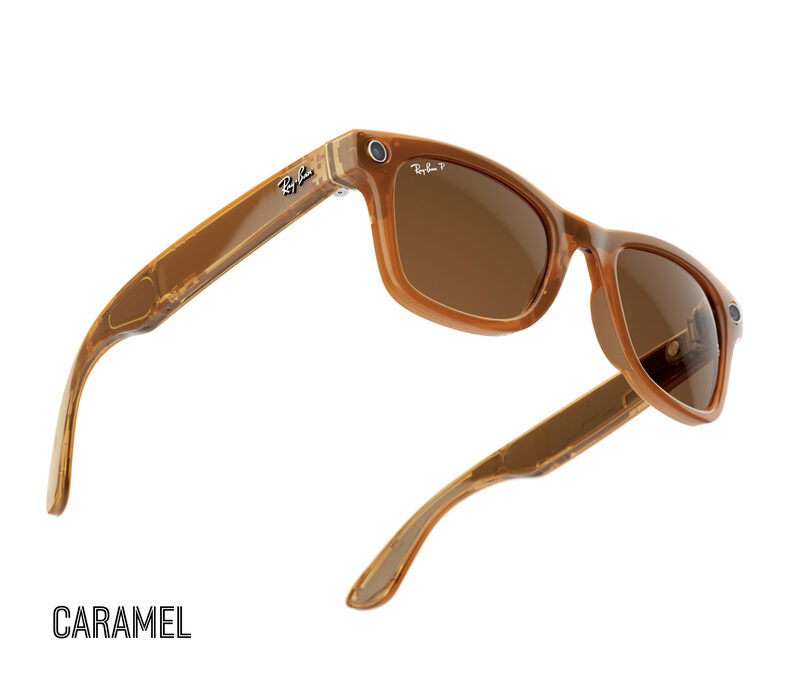
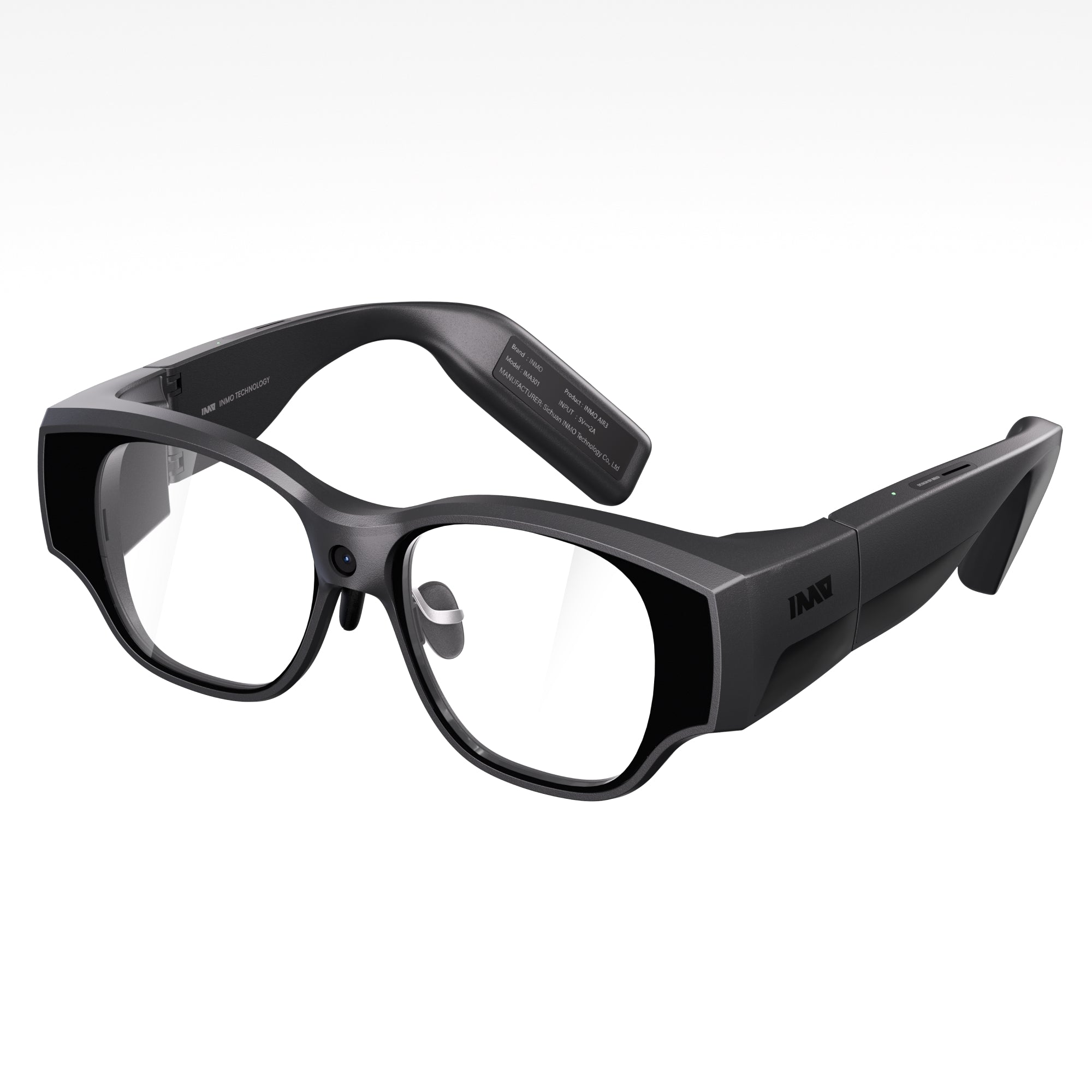
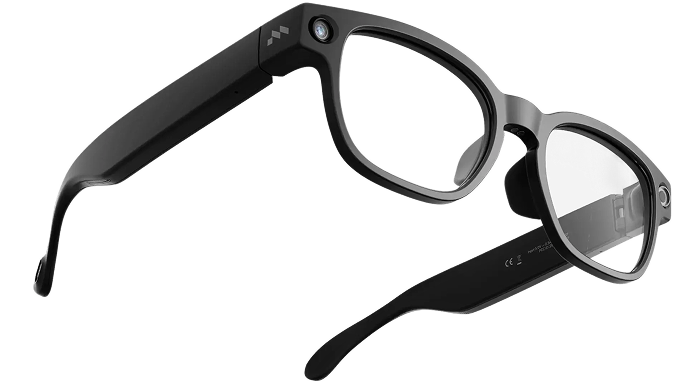
Stream camera and audio from Ray-Ban Meta on iOS, INMO on Android, or a desktop camera into the same relay model.
Enhance frames, run Vision and Core ML, detect objects, track identities, classify scenes, and record locally.
Compose sources, processors, triggers, models, and outputs as a live DAG instead of hard-coding one assistant.
Move video, audio, and sensor signals through a shared binary protocol with multi-publisher room support.
Route phone and glasses microphones, transcription, audio classification, synthesized speech, and playback.
Monitor live streams, edit workflows, inspect telemetry, manage recordings, and work with developer tools on the web.
SecondSee separates the intelligence layer from the frame on someone's face. Shipping integrations stay distinct from development and evaluation work.
Implementation status and hardware validation matter. These answers describe the current system without turning experiments into promises.
SecondSee is a system for capturing live camera, audio, and sensor streams from wearable and conventional devices, relaying those streams to browser operators, and composing perception and output workflows around them.
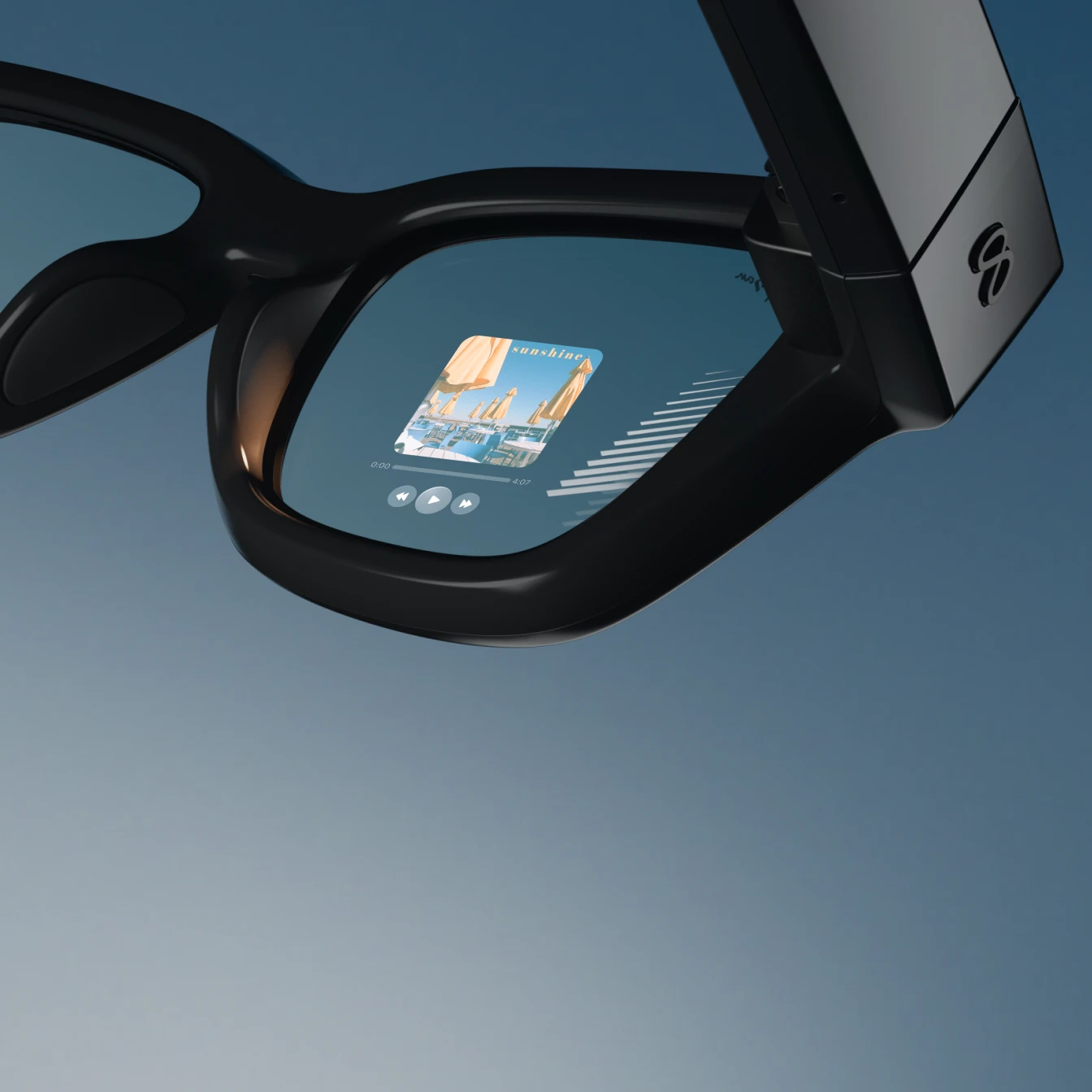
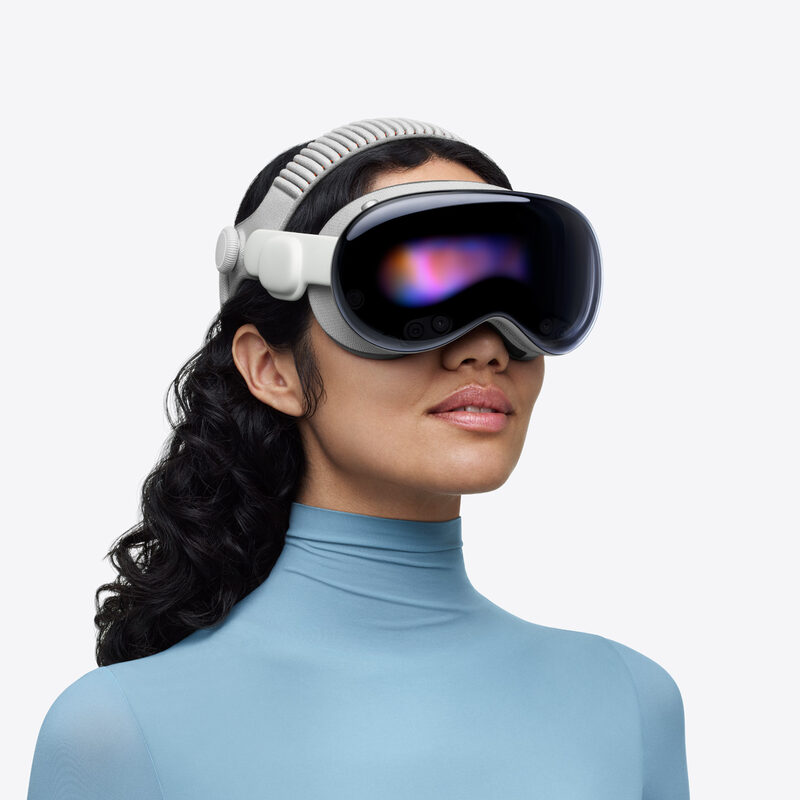
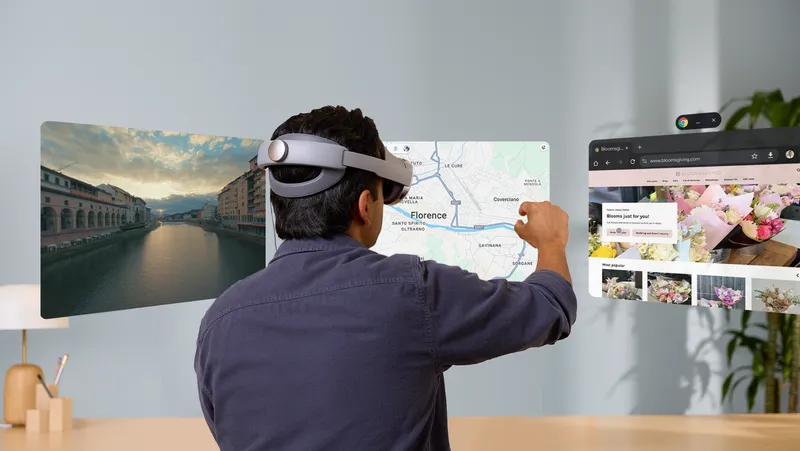
The repository includes iOS, macOS, Android, visionOS, browser, and XR work at different levels of implementation and validation. The device field above separates current integrations from development, probe, and evaluation surfaces instead of treating every experiment as shipping support.
No. Capture, codec, perception, audio, sensor, and output capabilities vary by publisher and hardware. SecondSee normalizes the system around shared streams and workflow contracts, but a workflow definition is not automatically a compatibility claim for every device.
It depends on the workflow. Processing can run on the publishing device, a nearby compute hub, the SecondSee relay stack, or a configured external model service. The system is designed to keep those stages composable rather than forcing the entire experience onto one device.
Deployments can use authenticated sessions, access controls, share tokens, gateway isolation, TLS termination, and configurable object storage. Exact retention, encryption, data-region, and compliance guarantees depend on deployment configuration and are not implied by the landing page.
SecondSee is for teams building a commercial system, developer platform, or consumer experience around live cameras, microphones, sensors, perception, and operator feedback. The best starting point is a specific device, signal, and outcome—not a generic smart-glasses rollout.
Bring a specific camera, microphone, sensor, workflow, or operator problem. We'll map the capture path, where perception runs, and how the result returns to people or devices.
Include the target hardware and the live signal you need to use.